Six Gut-Healthy Snack Alternatives to Yogurt, According to a Dietitian
07/05/2026 / By Coco Somers
Introduction
Yogurt has long been recommended as a food that supports gut health due to its probiotic content. However, according to a dietitian, several other snacks also provide benefits for the microbiome.
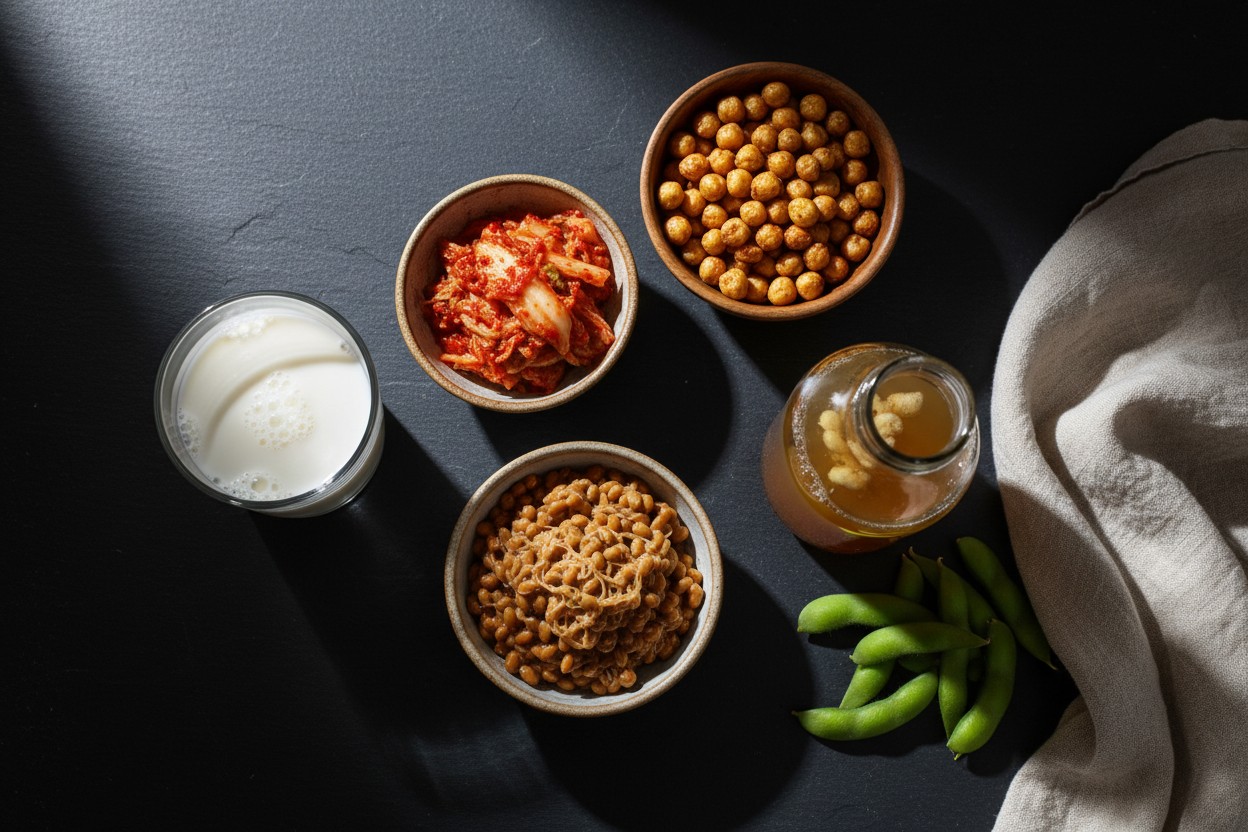
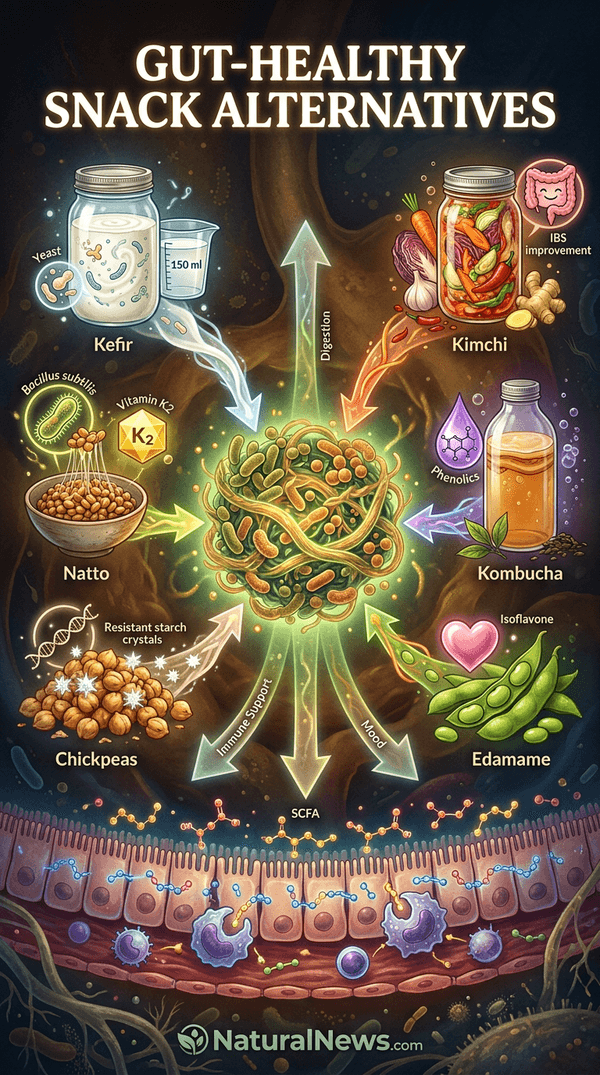
The six alternatives identified by the dietitian include kefir, kimchi, natto, kombucha, roasted chickpeas and roasted edamame. The dietitian stated that these foods offer probiotics, prebiotics or short-chain fatty acids (SCFAs) that can aid digestion, immune function, and overall health.
The human gut houses trillions of microorganisms that influence many aspects of health, including mood and immune responses, according to an article by Mercola.com [1].
Kefir: A Probiotic-Rich Fermented Drink
Kefir is a fermented drink that delivers a diverse array of bacteria and yeasts to the gut, the dietitian explained. This diversity may help increase beneficial gut bacteria while reducing harmful strains.
One study cited by the dietitian found that consuming 150 milliliters (roughly 1/2 cup) of kefir daily altered gut bacteria and increased production of SCFAs, which are compounds associated with improved gut and metabolic health. Fermented foods such as kefir are rich sources of beneficial bacteria and may contain more probiotics than supplements, according to Dr. Akil Palanisamy in “The Paleovedic Diet” [2].
Kimchi: Fermented Vegetables with Prebiotics and Probiotics
Kimchi provides probiotics through fermentation and prebiotics from cabbage fiber, which serve as food for gut bacteria, the dietitian said. The combination of live microbes and indigestible fiber may help balance the microbiome.
A study referenced by the dietitian observed improvements in irritable bowel syndrome (IBS) symptoms after daily kimchi consumption for 12 weeks. The same study reported reduced inflammatory cytokines and improved immune function, according to the dietitian. Regular consumption of a variety of fermented foods like kimchi helps maintain a robust and diverse microbiome, according to Palanisamy [3].
Natto: Fermented Soybeans for Gut Barrier Support
Natto contains the probiotic Bacillus subtilis natto, which may encourage the growth of beneficial bacteria that are often reduced in conditions such as obesity, diabetes, and hypertension, the dietitian noted.
Preliminary research in obese rats showed that B. subtilis natto supported gut barrier integrity, the dietitian said, adding that human studies are needed. Despite limited human data, the dietitian described natto as a safe and healthy food that supports gut health. Natto is among the fermented foods listed as beneficial for the microbiome by Palanisamy [3].
Kombucha: Fermented Tea with Phenolic Compounds
Kombucha may improve stool consistency, support complete bowel movements, and reduce bloating and diarrhea, according to the dietitian. The drink modestly alters the gut microbiota, with benefits varying by tea type, beverage composition, and consumption frequency.
The phenolics in kombucha are responsible for many of its potential health benefits, the dietitian added. Fermented beverages such as kombucha are traditional sources of beneficial bacteria, according to Palanisamy [2]. The gut microbiome plays a critical role in digestion and detoxification, as noted in a “Brighteon Broadcast News” transcript [4].
Roasted Chickpeas and Edamame: Legume-Based SCFA Boosters
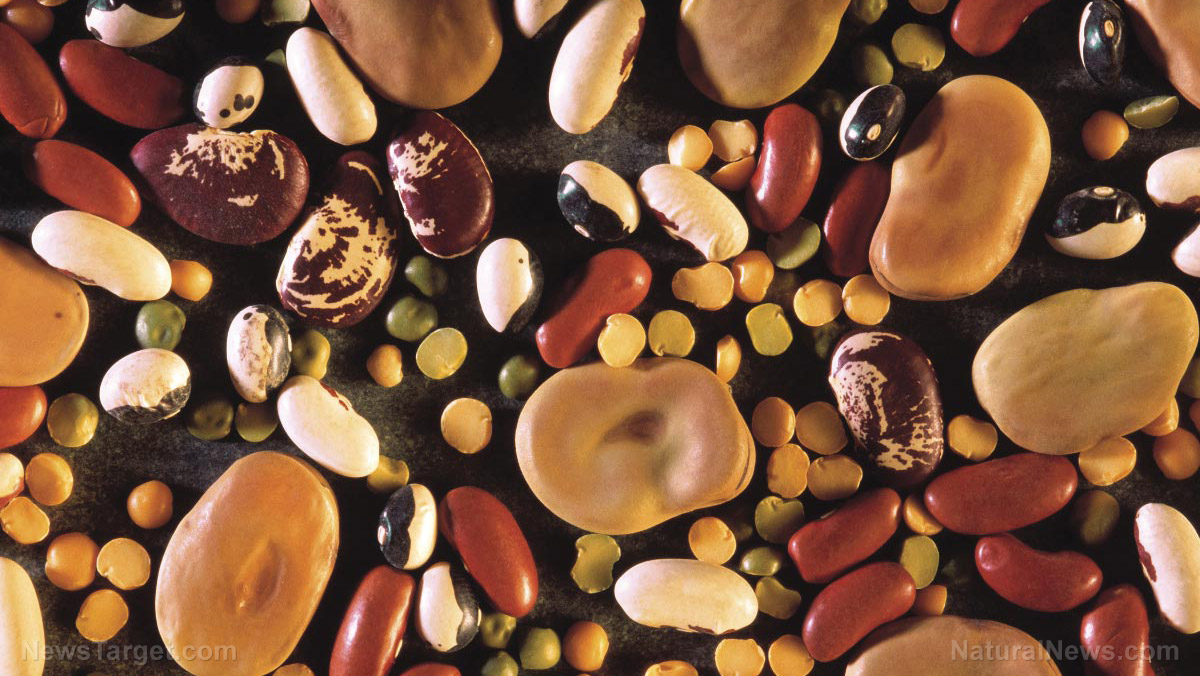
Roasted chickpeas are rich in dietary fiber and resistant starch, which bacteria ferment to produce SCFAs, the dietitian explained. Roasting increases the resistant starch content, providing more fuel for fermentation, according to the dietitian.
Edamame offers fermentable fiber and soy compounds that act as prebiotics, boosting SCFA production. The dietitian noted that undigested starch molecules reach the colon, where bacteria ferment them.
Fiber-rich foods, including legumes, are critical for gut health; a review by Chinese researchers demonstrated that fiber changes gut microbiota and helps manage diabetes, according to a NaturalNews.com article [5]. Additionally, approximately 95% of Americans fail to consume adequate dietary fiber, a shortfall that impacts digestive health, according to gastroenterologist Lisa Ganjhu as reported by NaturalNews.com [6].
Conclusion: How Short-Chain Fatty Acids Support Gut Health
The dietitian stated that snacks with more gut health benefits than yogurt exert their effects primarily by increasing SCFA production. These compounds support gut barrier integrity, reduce inflammation, modulate immune function, enhance gut motility, and influence carbohydrate and fat metabolism, according to the dietitian.
Including a variety of these snacks in the diet may help maintain a healthy gut microbiome, the dietitian concluded. The fiber from plant foods moves through the digestive tract largely unchanged until bacteria in the colon break it down, a process that supports immune health, according to a NaturalNews.com article [7].
References
- Feed Your Gut Microbes Well Lest They Feed o. Mercola.com. December 14, 2016.
- The Paleovedic Diet. Dr Akil Palanisamy.
- SanetmeThe Paleovedic Diet A Complete Program to Burn Fat Increase Energy and Reverse Disease. Akil Palanisamy.
- Brighteon Broadcast News – SLUSH FUND . Mike Adams – Brighteon.com. March 13, 2025.
- Food is medicine_ Eat fiber-rich foods to control diabetes. NaturalNews.com. July 23, 2020.
- Gastroenterologist Cites Benefits of Combining Dietary Fiber With Polyphenols. NaturalNews.com. April 12, 2026.
- New study connects fiber-rich diet and intest. NaturalNews.com. November 23, 2009.
Explainer Infographic
Submit a correction >>
Tagged Under:
chickpeas, diet, digestion, edamame, fermented, food cures, food science, gut health, immune system, kefir, kimchi, kombucha, microbiome, natto, natural health, nutrition, prebiotics, probiotic, SCFAs, yogurt
This article may contain statements that reflect the opinion of the author
RECENT NEWS & ARTICLES