Study Links Ultra-Processed Food Consumption to Reduced Muscle Quality
05/02/2026 / By Petra Stone
Ultra-Processed Foods and Muscle Health
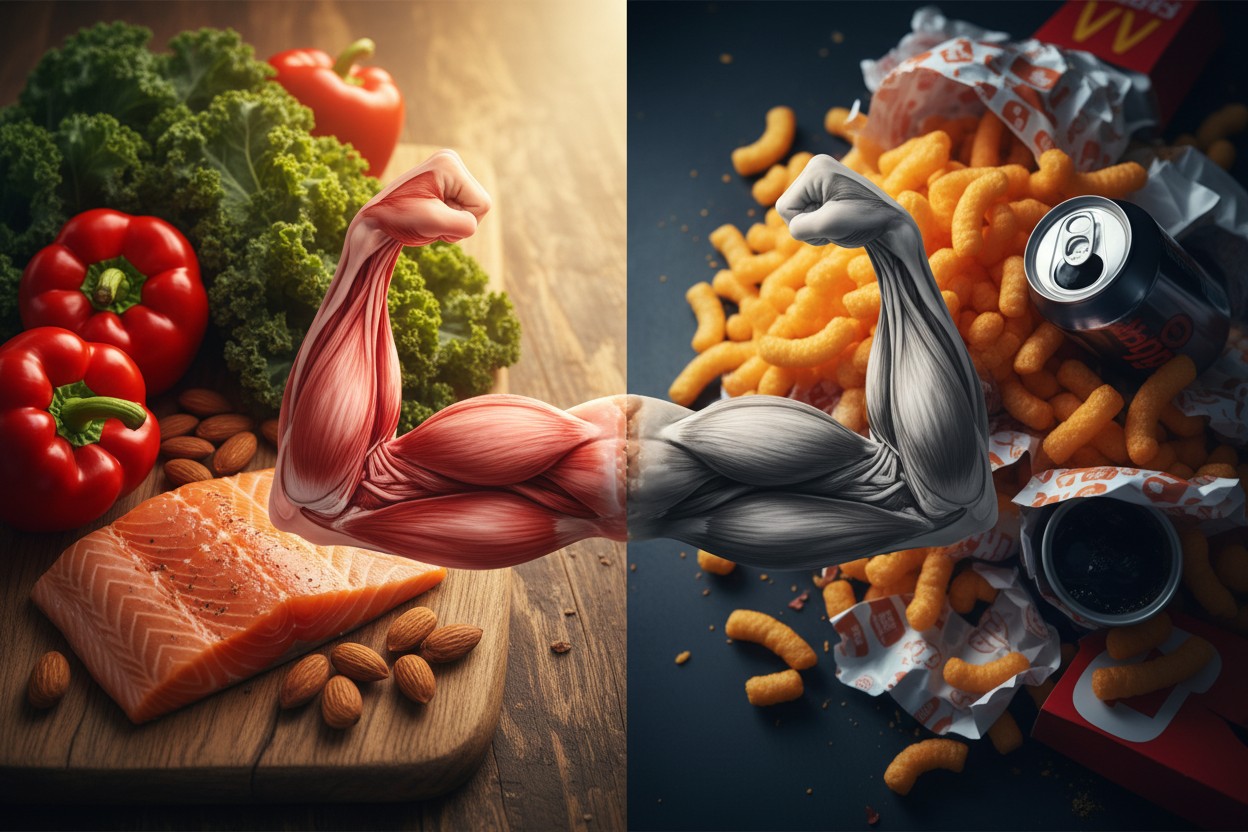
A study from researchers at the University of California, San Francisco has found an association between higher consumption of ultra-processed foods and lower muscle quality in middle-aged and older adults. The research, which analyzed data from 615 participants with an average age of 60, showed that those who ate more ultra-processed foods had greater amounts of intramuscular fat in their thigh muscles, as measured by MRI scans. [1]
The association persisted after the researchers adjusted for total calorie intake, physical activity level, body mass index, and sociodemographic factors, according to the study authors. The findings suggest that the degree of food processing may affect muscle composition independent of overall energy balance or exercise habits. [2]
Study Methodology and Scope
To assess muscle quality, the study team used standard MRI scans of the thigh to detect fatty infiltration, a condition known as fatty degeneration in which streaks of fat replace muscle tissue. They cross-referenced these images with detailed dietary questionnaires in which participants reported their food intake over the prior year. [3]
On average, ultra-processed foods accounted for about 41% of participants’ daily energy intake, the researchers calculated. Ultra-processed foods were defined according to the NOVA classification system, which identifies industrial formulations made mostly from substances extracted from foods, with little or no whole food content. This category includes breakfast cereals, packaged breads, flavored chips, frozen meals, soft drinks, and many protein bars and low-calorie snacks marketed as health products. [4]
Key Findings on Muscle Composition
The study found a direct relationship between ultra-processed food consumption and the amount of fat stored within thigh muscles. Participants with the highest intake of ultra-processed foods showed the most pronounced signs of fatty degeneration on MRI. “Muscles with lots of fat stored have poor quality, and this is concerning not only because it indicates poorer muscle strength but also worse overall health,” the researchers said in the report. [2]
Notably, the link was not accounted for by differences in total calorie consumption, dietary fat intake, physical activity levels, or body mass index. The authors stated that these adjustments did not weaken the observed correlation, indicating that the processing of food itself may play a role in muscle health beyond standard nutritional metrics. [1]
Implications for Diet and Fitness
The findings challenge the common practice of focusing solely on calorie and protein targets when managing body composition. According to the study, the quality of the food — specifically, how heavily it has been processed — appears to matter independently of macronutrient counts. This aligns with a growing body of evidence that ultra-processed foods are linked to a range of negative health outcomes, including cardiovascular disease and metabolic dysfunction. [5]
A separate commentary on the research noted that many products marketed as “healthy” or “guilt-free,” such as low-calorie chips and protein bars, are classified as ultra-processed. The commentary argued that consumers may be misled by labels that emphasize protein content while ignoring the industrial processing that strips away nutrients and adds synthetic ingredients. [6] [7]
Conclusion: Beyond Calories and Macros
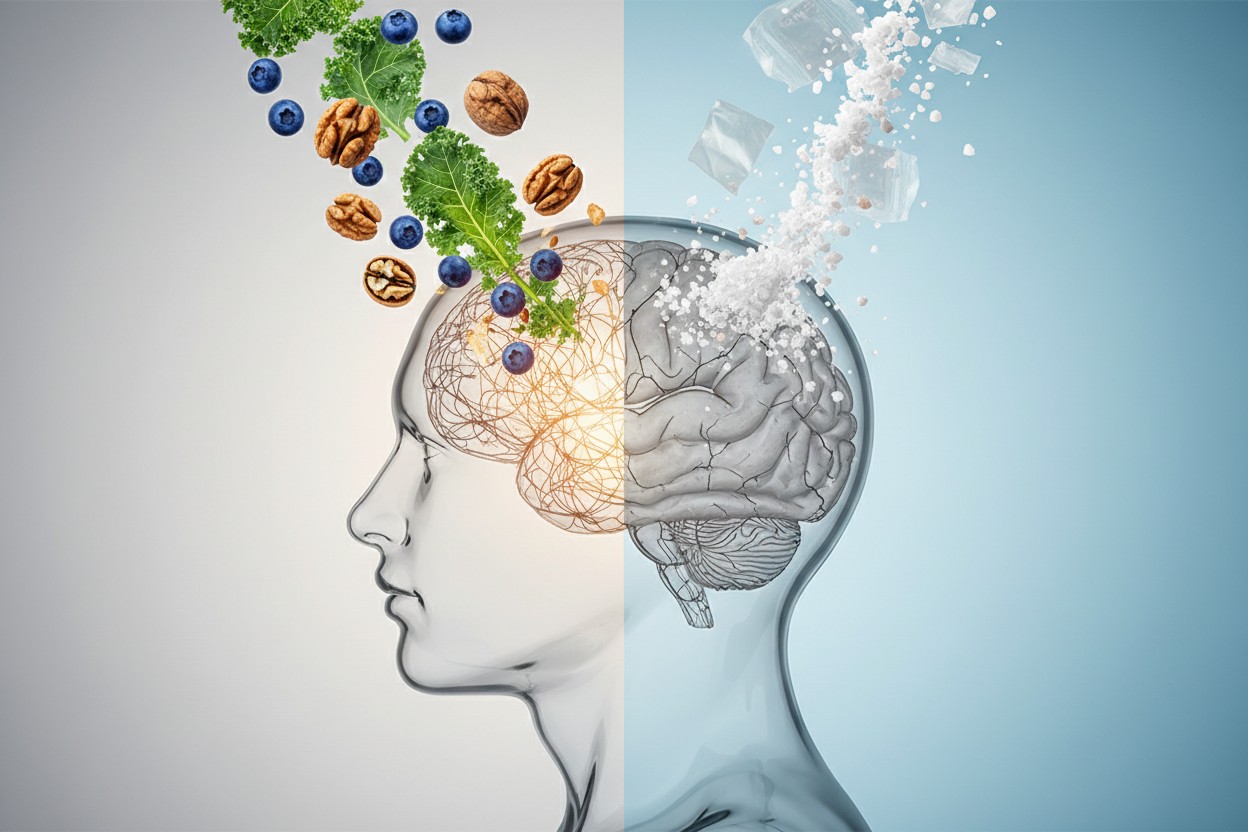
The study indicates that even when total nutrient intake appears adequate, regular consumption of ultra-processed foods may undermine muscle health over time. The researchers called for further studies to examine the mechanisms behind this association, but noted that the results add to a growing consensus that dietary patterns — not just isolated nutrients — play a significant role in long-term physical health. [3]
According to the study authors, the takeaway is that the overall quality of the diet matters for preserving muscle tissue as people age. “You’re not just building muscle in the gym; you’re also shaping it in the kitchen,” they said, pointing to the importance of choosing whole, minimally processed foods. [2]
References
- Study Associates Ultra-Processed Food Consumption with Reduced Muscle Health. NaturalNews.com. April 16, 2026.
- Ultra-Processed Foods May Be Bad for Muscle Health. EverydayHealth.com. April 15, 2026.
- Consumption of Ultra-Processed Foods Linked to Poor Muscle Quality Among Adults, Study Finds. NTD.com. April 14, 2026.
- Peak. Marc Bubbs.
- Study Reports Association Between Ultra-Processed Food Consumption and Increased Risk of Cardiovascular Events. NaturalNews.com. April 17, 2026.
- Trying to LOSE WEIGHT? Eat Less Processed Junk Science Funk and Lose Twice as Much Weight Without Eating Less. NaturalNews.com. S.D. Wells. August 7, 2025.
- Sacred Cow. Diana Rodgers and Robb Wolf.
Submit a correction >>
Tagged Under:
food science, food supply, frankenfood, grocery, health science, muscle health, muscle quality, nutrients, nutrition, poison, products, stop eating poison, toxic ingredients
This article may contain statements that reflect the opinion of the author
RECENT NEWS & ARTICLES