The ancient map to a modern mind: Holistic paths to confront dementia
12/15/2025 / By Willow Tohi
- Traditional Chinese Medicine (TCM) offers a distinct framework for understanding dementia, attributing it to constitutional imbalances like kidney deficiency, phlegm-dampness and blood stasis.
- A multi-pronged, non-pharmacological approach—including herbal decoctions, acupuncture, targeted massage and specific dietary patterns—shows promise in slowing cognitive decline.
- Lifestyle interventions, particularly physical activity, social engagement and mental stimulation, are consistently identified as critical for protecting brain health.
- While some dietary supplements are under investigation, robust clinical evidence for their efficacy in treating dementia remains limited for most.
- Integrating holistic, lifestyle-focused strategies from both Eastern and Western medical traditions provides a proactive path for dementia prevention and management.
As millions worldwide face the rising tide of dementia, the search for effective strategies has expanded beyond conventional pharmacology. Increasingly, both researchers and clinicians are looking to integrative approaches that combine modern science with time-tested holistic practices. From specialized herbal recipes and acupuncture in Taiwan to lifestyle clinics in Utah, a growing body of evidence and clinical observation suggests that a multi-faceted regimen targeting diet, circulation and daily habits can fortify the brain against decline, offering hope for slowing progression and improving quality of life.
The TCM framework: Treating the root, not just the symptom
Western medicine often categorizes dementia by its disease pathology, such as Alzheimer’s or vascular dementia. Traditional Chinese Medicine (TCM) provides a complementary lens, viewing cognitive decline through the prism of constitutional imbalances. Practitioners like Dr. Wu Hung-chien identify three key patterns: Kidney deficiency, thought to lead to an “empty brain marrow”; phlegm-dampness, akin to the accumulation of metabolic waste that impairs function; and blood stasis, often linked to conditions like hypertension that hinder cerebral blood flow. This framework guides tailored interventions aimed at correcting these root imbalances, rather than solely managing symptoms.
Nourishment and needles: Herbal and acupuncture protocols
Central to this approach are specific herbal formulations. TCM recipes, such as a “brain-boosting” decoction featuring herbs like Gastrodia elata (Tianma) for nerve protection and Astragalus for energy, are designed to nourish the brain and address underlying deficiencies. Simultaneously, acupuncture is gaining recognition for its potential neuroprotective effects. A recent review in Complementary Therapies in Medicine found that acupuncture may improve cognitive function by inhibiting neuroinflammation and reducing amyloid plaque deposition, hallmarks of Alzheimer’s disease. These modalities represent a shift toward supporting the brain’s intrinsic repair mechanisms.
The daily regimen: Massage, diet and active living
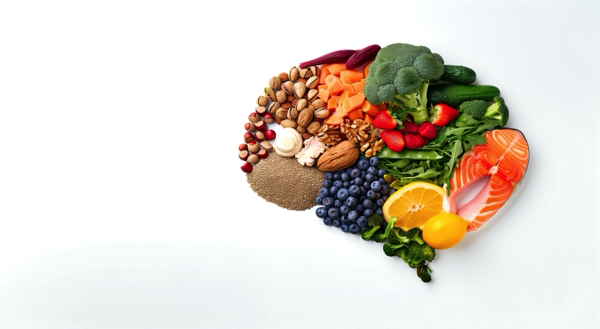
Prevention and management extend into daily life through simple, accessible practices. TCM advocates for self-massage of key head and ear regions to promote healthy blood circulation to the brain. Dietary guidance strongly aligns with modern nutritional psychiatry, endorsing patterns like the Mediterranean diet, rich in antioxidants and healthy fats, to combat metabolic syndromes that increase dementia risk. Furthermore, clinicians universally emphasize a triad of protective lifestyle habits: regular physical movement (such as walking 5,000-7,000 steps daily), sustained social interaction and ongoing mental stimulation. Research indicates that maintaining a healthy weight and managing cardiovascular health are also paramount, with one study noting a 93% higher dementia risk for those with obesity at age 50.
Evaluating adjuncts: The supplement landscape
The interest in natural therapies has led to a proliferation of dietary supplements, from coconut oil and omega-3s to Ginkgo biloba and curcumin. However, the evidence remains a patchwork. While some studies on specific compounds like a standardized Ginkgo extract (EGb 761) show promise for managing behavioral symptoms, many others are inconclusive or based only on animal research. The most consistent recommendation is that a brain-healthy lifestyle itself—encompassing diet, exercise and cognitive engagement—is the most well-substantiated non-pharmacological intervention.
A converging path forward
The journey to mitigate dementia is revealing that no single miracle cure exists. Instead, the emerging paradigm underscores the power of aggregation—combining the diagnostic precision of Western medicine with the holistic, preventative wisdom of traditions like TCM, all grounded in the non-negotiable pillars of lifestyle medicine. This integrative model does not promise a reversal but offers a potent strategy: a proactive, daily commitment to nourishing the brain through what we consume, how we move and how we connect may be our most resilient defense in preserving cognitive vitality for years to come.
Sources for this article include:
Submit a correction >>
Tagged Under:
alternative medicine, brain function, brain health, Chinese medicine, cognitive decline, cures, dementia, health science, herbal medicine, Herbs, lifestyle interventions, mind body science, natural health, nutrients, nutrition, plant medicine, prevention, remedies, research, supplements, TCM
This article may contain statements that reflect the opinion of the author
RECENT NEWS & ARTICLES