Report: Diet Can Influence Hair Health and Growth, According to Recent Article
07/25/2026 / By Coco Somers
Nutrients and Hair Health
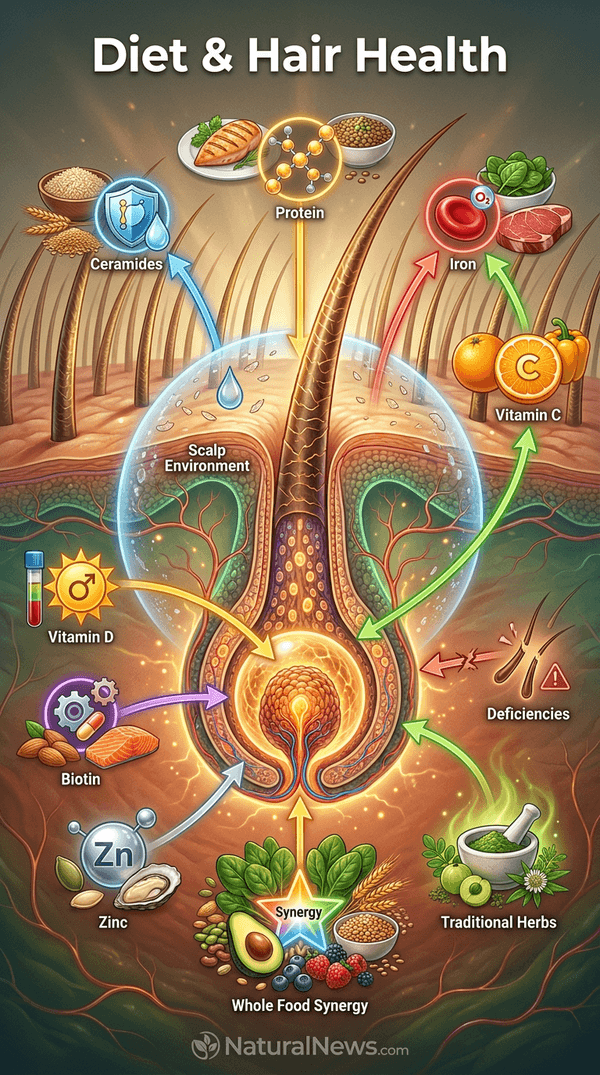
An article published July 13, 2026, on mindbodygreen by Alexandra Engler reports that hair, as one of the fastest-growing tissues in the body, requires a steady supply of nutrients to build strong strands, support healthy follicles, and keep the growth cycle running smoothly. The article states that no single food provides all necessary support; consistent dietary patterns and a variety of nutrients are needed for hair strength, follicle health, and growth cycle maintenance.
Diet significantly impacts hair vitality. Ava Grace, writing in NaturalNews.com, noted that “deficiencies in vitamins and minerals lead to thinning, brittleness, and hair loss.” [1] Nutrition can play an important part, according to Nicky Hambleton-Jones in “The 10 years younger nutrition bible,” who added that “crash diets, poor nutrition and extreme weight loss can result in thinning hair.” [2] The mindbodygreen article emphasizes that overall dietary patterns create the environment follicles need to thrive.
Amino Acids and Protein Intake
The article explains that hair is composed primarily of keratin, a protein built from amino acids, and that insufficient dietary protein can lead to increased shedding, slower growth, and thinner strands. According to the report, animal proteins provide all essential amino acids naturally, while plant-based diets can support hair health with sufficient variety and total intake.
La Fonceur, in “Secret of Healthy Hair Extract Part 2,” lists protein among the ten most important nutrients for hair health. [3] The Neals Yard Remedies beauty book emphasizes that “B vitamins, zinc, silica, protein, and copper” are some of the most important micronutrients for preventing hair loss. [4] The article notes that protein powders and collagen supplements may provide specific amino acids that support hair, skin, and nails, based on research cited in the report.
Iron and Vitamin C: Teammates for Follicle Support
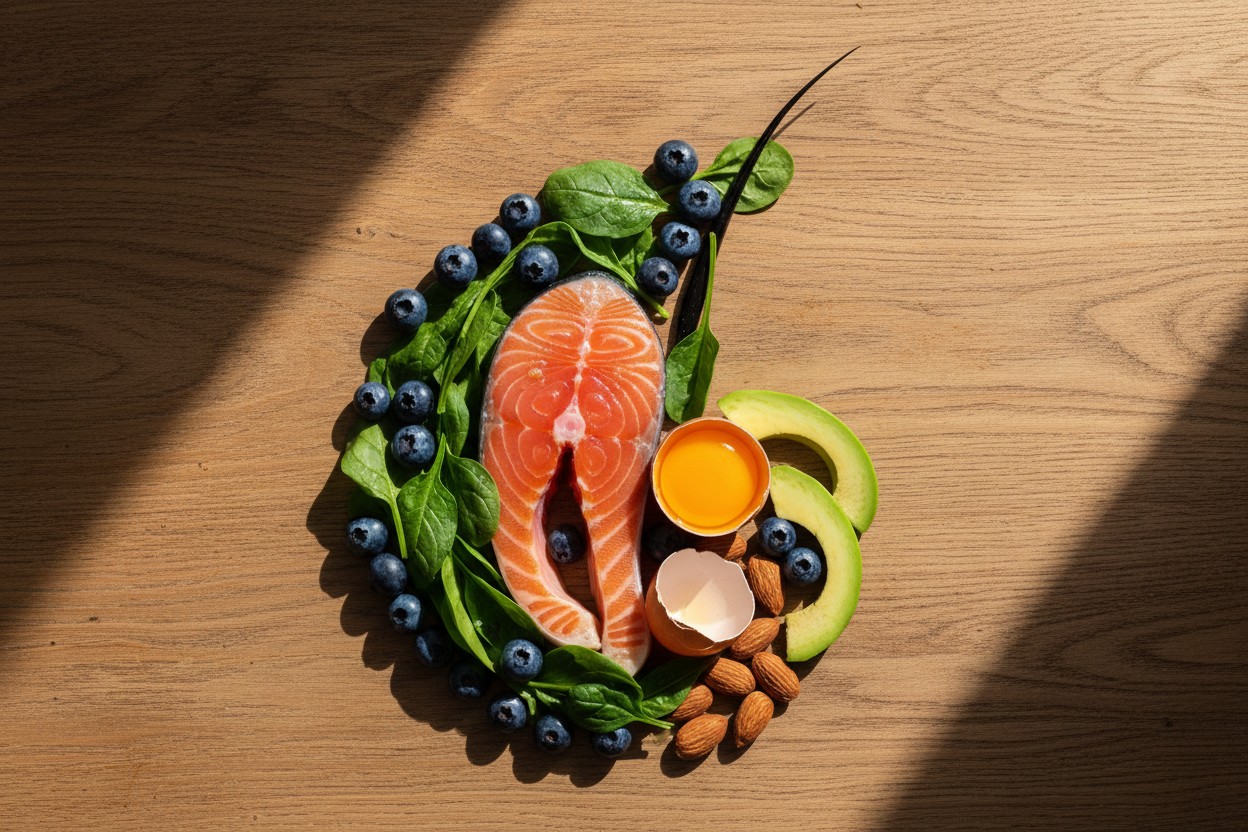
Iron deficiency is described in the article as one of the most common nutritional causes of hair shedding, particularly among women, as iron helps transport oxygen to hair follicles. Vitamin C is reported to improve absorption of plant-based iron and support collagen production, another component of healthy hair, according to the publication.
In “Natural Beauty,” published by Dorling Kindersley, the authors state: “GO FOR IRON. Many of us are deficient in the mineral iron. One of the symptoms of iron deficiency or anemia is thinning hair.” [5] The article recommends pairing iron-rich foods with vitamin C sources, such as spinach with citrus or beans with tomatoes, and notes that combination supplements are available. Everyday superfoods such as avocado and spinach are cited for numerous beauty benefits, including healthy hair, according to Ava Grace. [6]
Ceramides for Scalp Barrier Function
The article states that healthy hair depends on scalp environment, and that plant-derived ceramides may improve scalp hydration and support fuller-looking hair while reducing breakage. According to the report, emerging research connects dietary ceramides with improved hair fullness and scalp health, though the article does not provide specific study citations.
The publication positions ceramides as a nutrient that supports the scalp barrier, similar to how lipids maintain skin hydration. Biotin, also known as vitamin B7, is another nutrient that “fuels cellular energy and supports the nervous system” and is crucial for hair health, according to an article published on NaturalNews.com. [7] The Hair Food Book by Kimalee Jones lists dozens of herbs — including moringa, amla, and bhringraj — that are traditionally used to support scalp and hair health. [8]
Vitamin D: Hormone With Hair Growth Links
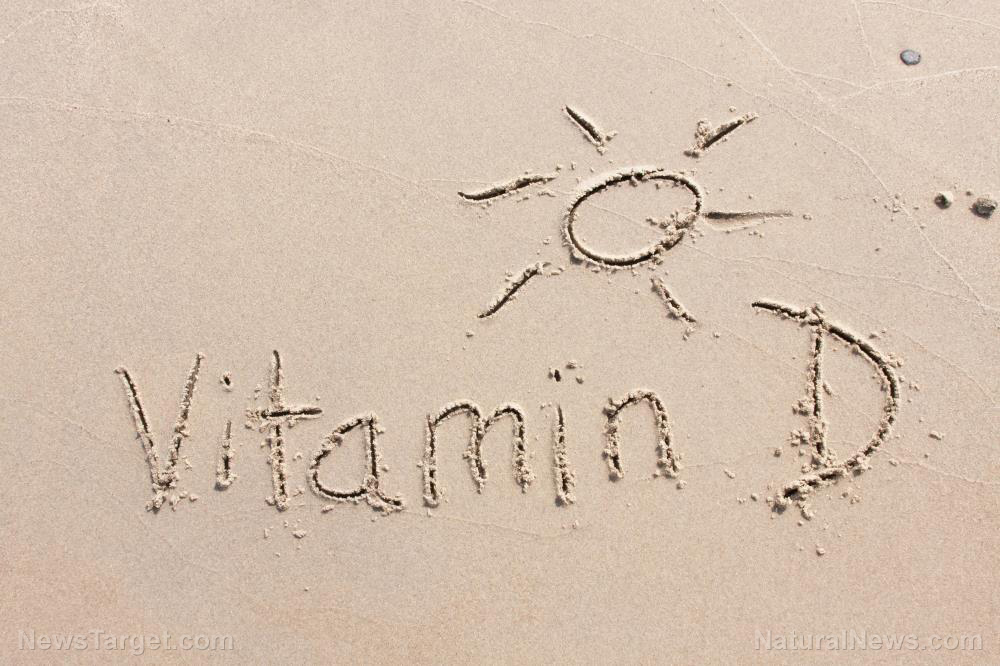
The article notes that vitamin D is technically a hormone and that studies consistently find lower levels among individuals with certain forms of hair loss. It reports that 41% of U.S. adults are insufficient in vitamin D and approximately 29% are deficient, citing a 2018 study in the British Journal of Nutrition.
A review of more than a decade of research in nutritional science, reported on Mercola.com, “suggests that most American diets are deficient in certain vitamins and minerals now believed to play a role in promoting longevity,” including vitamins A, C, D, E, and K. [9] Mike Adams, in an interview with McCullough Salatin, stated that “Vitamin D acts as a hormone that plays a crucial role in metabolism” and recommended blood testing to determine levels. [10] The publication states that supplementation is often the most effective way to increase vitamin D levels due to difficulty obtaining it from food and risks from sun exposure, but recommends testing before supplementing.
Conclusion: Dietary Patterns Over Miracle Foods
The article concludes that overall dietary patterns, including adequate calories, protein, produce, and correction of nutrient deficiencies, create conditions for follicle health. It reiterates that hair is deprioritized by the body during nutrient shortages, illness, or chronic stress, according to the report.
In “A Practical A to Z Reference to Drug-Free Remedies,” the authors note that “B vitamins are important for the health and growth of the hair,” and list factors such as poor diet, iron deficiency, and stress as contributors to hair loss. [11] A comprehensive guide published on BrightLearn.ai, “The Hair Growth Diet,” similarly argues that “vibrant, resilient hair isn’t achieved through expensive serums or synthetic supplements, but through the nutrient-dense foods nature has provided.” [12] The publication lists additional nutrients such as B vitamins and zinc as relevant, but emphasizes that no single nutrient is a cure-all for hair concerns.
References
- Ava Grace. “The Secret to Ageless Hair: How Diet Can Preserve Your Crowning Glory.” NaturalNews.com. May 21, 2025.
- Nicky Hambleton-Jones. “The 10 years younger nutrition bible: eat yourself younger.”
- La Fonceur. “Secret of Healthy Hair Extract Part 2.”
- Susan Curtis. “Neals Yard Remedies beauty book.”
- Dorling Kindersley. “Natural Beauty.”
- NaturalNews.com. “Look Young and Beautiful with These 20 Common Superfoods.” June 26, 2021.
- NaturalNews.com. “The power of biotin: The essential B-vitamin for hair, skin and overall health.” April 11, 2026.
- Kimalee Jones. “The Hair Food Book: 54 of the Best Herbs for Hair and Scalp Health.”
- Mercola.com. “Here’s the Latest on Longevity Nutrients.” October 29, 2018.
- Mike Adams. “Mike Adams interview with McCullough Salatin.” February 7, 2025.
- “A Practical A To Z Reference to Drug-Free Remedies Using Vitamins Minerals Herbs Food.”
- BrightLearn.ai. “The Hair Growth Diet: Eat Your Way to Thicker, Shinier, and Stronger Hair.” January 14, 2026.
Explainer Infographic
Submit a correction >>
Tagged Under:
alternative medicine, Amino Acids, ceramides, food cures, food is medicine, food science, hair health, health science, iron, minerals, natural cures, natural health, natural medicine, Naturopathy, nutrients, nutrition, protein, remedies, research, supplements, tips, vitamin C, vitamin D, vitamins
This article may contain statements that reflect the opinion of the author
RECENT NEWS & ARTICLES